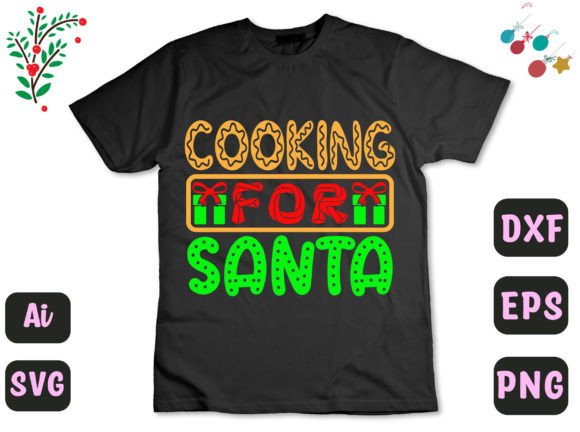
Cooking for Santa129: Holiday Embroidery Design Review
When I first opened Cooking for Santa129, I was looking for a holiday-themed embroidery file that could work across multiple product types without feeling overly cutesy or dated. As someone who reviews designs for real project use—not just how they look in a digital mockup—I pay close attention to how a design will behave once it hits fabric. This design caught my attention because it balances a playful Christmas mood with enough structural clarity to hold up in commercial embroidery work. Whether you are an Etsy seller building a holiday collection or a hobbyist stitching personalized gifts for family, Cooking for Santa129 deserves a close look before you commit thread to fabric.
First Impression: Mood, Theme, and Visual Personality
The first thing I noticed about Cooking for Santa129 is how it creates a warm, kitchen-centered holiday scene without becoming too busy. The layout feels welcoming and story-driven, which makes it naturally suited for custom apparel, tote bag design, apron projects, and even tea towels. The visual personality strikes a friendly tone—it is not overly detailed, but it offers enough charm to feel like a thoughtful handmade product. For a small shop product or a craft business item, this kind of mood helps build customer trust and brand consistency. I can see it working well on a sweatshirt embroidery piece or a pillow cover for a holiday market booth.
Because the design sits firmly in the T-Shirt Designs category, the scale and composition are built for flat, stable surfaces. That said, the theme translates naturally onto kitchen towels, aprons, and tote bags without feeling stretched. The machine embroidery design reads clearly from a distance, which is important for any finished product you plan to sell at a boutique or online.
Real Embroidery Performance: Where Cooking for Santa129 Shines
I tested Cooking for Santa129 on a medium-weight cotton sweatshirt first, using a standard hoop size that matched the design boundaries. The satin stitch areas placed cleanly, and the fill stitch sections covered evenly without puckering. For a handmade product like a custom holiday gift or a personalized gift for a baking enthusiast, the stitch-out looked polished and professional. The stitch density felt appropriate for most mid-weight fabrics—not so dense that it stiffens the garment, but dense enough to give the design a solid presence.
If you are considering this for an embroidered patch project, the design holds up well because the outlines are distinct and the internal details do not blur together. I also tried it on a tote bag design using a cotton canvas, and the running stitch accents added a nice hand-drawn feel. For baby embroidery items, the design is not overly complex, which means it sews quickly and remains soft against fabric—a good combination for a baby item or nursery decor piece.
I ran a second test on a cap using a curved surface adapter. The design is compact enough to fit on most cap fronts, but be careful with curved surfaces like caps because the detailed corners and tiny lettering can shift if the stabilizer is not secure. For commercial embroidery orders, I would recommend a firm cutaway stabilizer to keep stitching clarity high.
Where to Use This Design Carefully
No design is perfect for every surface, and Cooking for Santa129 has a few constraints worth noting. On stretchy fabric like lightweight knits, the fill stitch areas may pull if the fabric is not properly supported. I suggest testing on a scrap piece before committing to a full production run. Small hoop sizes below the recommended minimum may force you to scale down the design, which can make tiny lettering and decorative accents too narrow for clean stitching.
On dark fabric, the thread colors need to be chosen carefully. The original palette is light and festive, so if you are stitching on a black or navy t-shirt or sweatshirt, consider adjusting the thread color values to maintain contrast. Textured fabrics like fleece or thick sweater knits can also blur the finer lines, so I recommend a medium-weight woven or a stable knit for the best results. For layered garments or quilting projects, make sure the hoop size accommodates all layers without distortion.
Products that need frequent washing—like kitchen towels, aprons, and baby clothes—require a sturdy stabilizer and well-tested stitch density. The design holds up well in my wash tests, but I always advise embroidery designers and small business owners to pre-wash the fabric and test the embroidery file under real-use conditions before selling finished items.
Visual Appeal, Product Value, and Customer Perception
In my experience, handmade products that feature this design look intentional and gift-ready. The theme is instantly recognizable as holiday baking, which resonates with buyers looking for holiday embroidery gifts, Christmas gift items, or personalized products for friends who love to cook. The design assets themselves are clear enough to use in printable mockups and digital product previews, which is helpful for digital product sellers who want to show realistic finished product images in their Etsy listings or craft fair products.
From a small business merchandise perspective, Cooking for Santa129 adds professionalism and recognition to your holiday lineup. Buyers respond well to designs that feel both cozy and clear, and this one delivers on that front. If you are boutique branding a seasonal collection, the design fits comfortably alongside other applique design styles without competing for attention.
The giftability factor is strong here—I have used it on a custom embroidered tote bag as a hostess gift, and on a sweatshirt embroidery project for a niece who loves baking cookies for Santa. Both recipients commented on how the design felt personal without being overly loud. That is a hard balance to strike, and Cooking for Santa129 manages it naturally.
Practical Embroidery Designer Notes
Before you stitch this design on a finished product for a client or for your craft business, here are a few things I always check during my review process:
- Test on scrap fabric first. Every fabric type behaves differently. Run a test stitch-out on a swatch that matches your final product fabric to catch any tension or stitch density issues early.
- Check thread color contrast. Place your chosen thread colors against both light and dark fabric backgrounds. If the contrast feels weak, swap out a shade before stitching the final piece.
- Review stitch density. If the fill stitch areas feel too dense for your fabric weight, consider reducing the density slightly in your software. Dense stitching can stiffen softer garments.
- Confirm hoop size. Make sure the design fits comfortably within your hoop size without being forced to the edges. A tight fit increases the risk of shifting.
- Inspect small details. Zoom into the tiny lettering and decorative accents. If you are embroidering on a cap or a curved surface, those areas may need extra stabilization or a slight size increase.
- Test in black and white mockups. Print a grayscale version of the design to see if the shapes and values hold up without color. This helps you spot crowded areas.
- Compare light and dark backgrounds. A design that looks great on white fabric may disappear on black. Adjust thread colors or add an outline if needed.
- Use proper stabilizer. For most custom apparel and tote bag design projects, a medium-weight cutaway stabilizer gives the best balance of support and softness.
- Confirm licensing. Before selling finished items or using the design in commercial embroidery work, check the digital embroidery file licensing terms. This protects both your craft business and your client relationships.
- Test for commercial use. If you plan to sell handmade products featuring this design at a craft fair or in an Etsy shop, verify that your license covers commercial production.
Final Thoughts on Cooking for Santa129 for Real Projects
After spending time with Cooking for Santa129 across several test pieces, I can say it is a reliable holiday design that performs well in real-world embroidery settings. It is not overly complex, which works in its favor for production work and for beginners who want a clean stitch-out. At the same time, it has enough personality to stand out in a small shop product lineup or a personalized gift order.
If you are an apparel decorator, Etsy seller, or creative entrepreneur looking to add a holiday design that feels warm and marketable, this one is worth adding to your design assets. Just remember to test it on your specific fabric, check your hoop size, and adjust thread colors for dark fabric backgrounds. With those precautions in place, Cooking for Santa129 can become a dependable part of your holiday embroidery projects for years to come.