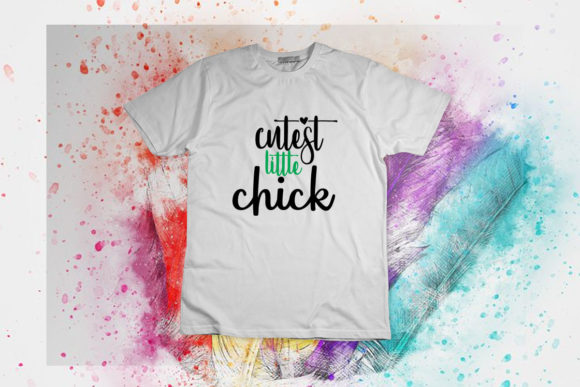
Cutest Little Chick: A Hands-On Embroidery Design Review
There’s a big difference between seeing a digital embroidery file on a screen and watching it stitch out in real time. As a designer who splits time between digitizing and fulfilling orders for my own small shop, I rely on design assets that perform predictably. When I came across Cutest Little Chick in the T-Shirt Designs category, I was drawn to its clean, playful silhouette. But my job isn't just to admire the preview—it's to push the design through a machine, onto fabric, and into the hands of a paying customer. Here’s my honest evaluation based on real embroidery project use.
First Impressions – Simple Shape, Strong Appeal
The design captures a soft, whimsical mood that works beautifully for baby embroidery and spring-themed custom apparel. The shape is distinct without being overly complex, which usually translates to fewer thread breaks and easier hooping. For an Etsy seller or craft business owner, this means you can produce handmade products faster without sacrificing quality. I immediately saw its potential as an applique design, though it stands well on its own with traditional satin stitch and fill stitch elements. The visual personality leans toward sweet and gentle, making it a safe bet for personalized gifts like baby showers or Easter presents. The layout is well-proportioned, which gives it a professional finish right out of the hoop.
The Real Test – Stitching a Toddler Sweatshirt and Tote
I decided to run this design as part of a spring market gift set. I stitched Cutest Little Chick onto a soft, cotton-blend toddler sweatshirt (size 2T) and a matching 12x15 canvas tote bag. This tested how the embroidery file handled two very different fabric textures. On the sweatshirt, the stitch density felt balanced. It was solid enough to cover the knit fabric without allowing the background color to peek through, but not so dense that it created a stiff, uncomfortable patch. I used a medium-weight cut-away stabilizer to prevent distortion, which is critical for T-Shirt Designs category files moving into custom apparel. The tote bag was a different story—the same design stitched out beautifully on the stable canvas, with crisp satin stitch edges that gave the finished product a high-end boutique feel. This versatility is a huge asset for any small shop owner looking to expand their product lines without buying new design assets for every fabric type.
Detail Analysis – Fill, Satin, and Everything In Between
Looking closely at the digitizing, the designer made smart choices. The fill stitches lay flat and uniform, which tells me the underlay was programmed correctly. The satin stitch borders have a nice sheen and good coverage. However, I always recommend testing the design at your intended size. If you try to cram it into a small hoop size (like a 4x4 for a cap or a baby bib), the intricate parts—like the eye and beak—can lose definition. Thread color also plays a role here. The default colors are cheerful, but I swapped a few out to match my brand palette, and the machine embroidery design handled the changes seamlessly. Always run a black and white mockup first to check for any digitizing gaps before committing to a full production run. Proper pull compensation is the invisible hero in this file, and it held up well in my testing across multiple hoops.
Where to Use It Carefully
No design is a universal tool, and Cutest Little Chick has its boundaries. Here are a few areas where I recommend extra caution:
- Dark Fabrics: The design relies on light, airy thread colors. On a black or navy sweatshirt, you will need a solid white underlay to keep the chick from looking dingy. Test this before taking custom orders or including it in your printable mockups.
- Small Hoop Sizes: As mentioned, shrinking this down too much will compromise the facial details. If you primarily work in 4x4 hoops, ask the seller for the exact size requirements before purchasing the digital embroidery file.
- Frequent Washing: For items like tea towels or baby blankets, check the thread tails. A dense design is usually fine, but loose satin stitches can snag. A good quality stabilizer and proper trimming are non-negotiable here to maintain the handmade product integrity.
- Caps: While it can work on a cap, the design is somewhat wide depending on the size. Be prepared to use a cap frame and possibly reduce the size to fit the curved surface without puckering. Hoop size and positioning will be your biggest challenge here.
How It Adds Value to Your Handmade Business
Customers buying from an Etsy seller or at a craft fair are looking for a personalized gift that feels special. A cleanly stitched Cutest Little Chick screams boutique quality. It turns a plain sweatshirt into a memorable gift. For my test run, the mother of the toddler specifically mentioned how soft the embroidery felt on the inside—a huge selling point for baby embroidery. For digital product sellers, this file provides reliable design assets that work well in printable mockups and online listings. The professionalism of the stitch-out builds customer trust and encourages repeat business. It is the type of embroidery project that reinforces your brand as a quality shop, whether you are doing commercial embroidery for clients or building inventory for a craft business. It also transitions nicely into holiday embroidery themes with the right thread palette, making it a smart seasonal investment.
Practical Notes for Your Embroidery Project
Before you start hooping, here is a quick checklist I use for every new embroidery file:
- Test Sew-Out: Run it on a scrap of your target fabric. Adjust tension if needed. Do not skip this step for any embroidery file.
- Stabilizer: Use cut-away for stretchy knits, tear-away for stable wovens. This will make or break your applique design or direct embroidery.
- Thread Colors: Review the color stops. Can you combine them for efficiency? Reducing color changes speeds up production for small shop product lines.
- Licensing: This is crucial. Verify the commercial use license. Can you sell the finished product? Can you use it on print-on-demand platforms? Respecting licensing protects your craft business.
- Hoop Size: Confirm the design fits your most common hoop size comfortably. This is especially important if you bulk-produce custom apparel for market season.
- Fabric Texture: Highly textured fabrics like fleece or thick towels might require a floating technique or a water-soluble topper to keep the stitches crisp and the fabric texture from distorting the design.
Final Thoughts – A Reliable Foundation for Spring Creations
Cutest Little Chick delivers on its promise. It is a well-digitized machine embroidery design that balances visual charm with practical performance. For apparel decorators, Etsy sellers, and handmade shop owners, it offers the versatility needed to create beautiful custom apparel, tote bags, and baby gifts without constant machine babysitting. Is it the most groundbreaking design I have ever seen? No, but it does not need to be. It needs to stitch out cleanly, look great on the product, and make customers happy. And in that regard, it succeeds. Add it to your embroidery library, test it in your preferred sizes, and use it to build that spring inventory your small shop product lineup deserves. Just remember to check the embroidery file details like stitch count and sizing for your specific machine before hitting start.